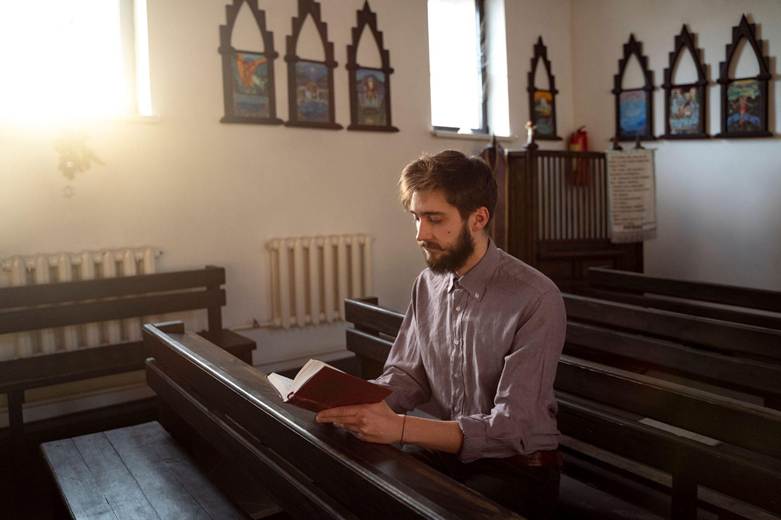
Spiritual routine is not about repetition for its own sake but about forming stability, a theme often emphasized in reflections connected to Father Adam Park, where consistency in prayer, worship, and discipline is viewed as essential for sustaining faith when enthusiasm rises and falls.
Faith does not develop in isolation from daily life. It grows within patterns, habits, and commitments that shape attention over time. The Church has long recognized that routine anchors spiritual health, especially during periods when motivation weakens or distractions increase. Rather than depending on emotional momentum, routine provides a steady framework that supports growth across all seasons.
Routine as a Foundation, Not a Constraint
Routine is sometimes misunderstood as restrictive, yet in spiritual life it functions as a foundation. Without structure, practices become optional, easily postponed, or gradually abandoned. Routine removes uncertainty by establishing when and how spiritual engagement takes place.
The Church emphasizes routine not to limit personal expression, but to ensure continuity. Predictable practices reduce reliance on impulse and create space for faith to mature quietly. Over time, routine allows spiritual life to integrate seamlessly into daily responsibilities rather than competing with them.
This stability becomes especially important when life feels unsettled.
Why Repetition Strengthens Faith
Repetition plays a central role in forming habits. Just as physical conditioning relies on repeated movement, spiritual formation depends on repeated attention. The Church understands that growth occurs through return rather than novelty.
Repeated prayer and worship shape perspective gradually. Familiar words and gestures deepen meaning through experience rather than explanation. Each repetition reinforces attentiveness, humility, and patience.
Rather than dulling engagement, repetition often creates depth. What begins as routine participation can evolve into sustained awareness over time.
Routine During Seasons of Low Enthusiasm
Enthusiasm is inconsistent by nature. There are times when faith feels vibrant and times when it feels distant. The Church anticipates these fluctuations and offers routine as a safeguard.
When enthusiasm is high, routine provides direction. When enthusiasm is low, routine preserves connection. This consistency prevents spiritual life from becoming dependent on emotional state.
Maintaining routine during low motivation requires less energy than restarting after disengagement. Even minimal participation keeps the foundation intact, allowing growth to resume naturally when conditions improve.
The Role of Daily Prayer
Daily prayer serves as one of the most accessible routines in spiritual life. Its effectiveness lies not in length or intensity but in regularity. Returning to prayer daily establishes a rhythm that shapes awareness throughout the day.
Routine prayer trains attention. It creates moments of pause, reflection, and recalibration. Over time, these moments influence decision-making and perspective without requiring constant effort.
The Church encourages daily prayer because it sustains connection even when other aspects of life feel overwhelming.
Worship as a Weekly Anchor
Weekly worship functions as a collective routine that reinforces faith within community. This regular gathering provides continuity across changing circumstances.
Routine worship grounds individuals in shared practice, reminding participants that faith is lived together rather than in isolation. Even when personal focus fluctuates, communal structure supports engagement.
The predictability of worship creates a rhythm that marks time spiritually, reinforcing commitment through presence rather than performance.
Fasting and Discipline as Periodic Routines
Fasting and other forms of discipline introduce intentional interruption into routine life. These practices are structured rather than spontaneous, reinforcing restraint through repetition.
By scheduling discipline, the Church ensures that reflection occurs even when comfort would otherwise prevail. These routines recalibrate priorities and strengthen self-awareness.
Discipline practiced routinely builds resilience. It prepares individuals to respond thoughtfully rather than react impulsively when challenges arise.
Routine Builds Spiritual Resilience
Resilience develops through preparation, not reaction. Routine equips individuals with tools that are already in place when difficulty occurs. During stress, grief, or uncertainty, established habits provide stability.
Rather than requiring effort to create new practices during hardship, routine allows individuals to rely on what is already familiar. This continuity supports endurance and prevents withdrawal.
Spiritual resilience is less about strength in crisis and more about consistency before crisis.
Avoiding the Trap of Emotional Dependence
When spiritual engagement depends on emotional readiness, inconsistency becomes inevitable. Routine shifts focus away from feeling and toward faithfulness.
The Church emphasizes routine to protect against this trap. Faith becomes something practiced rather than evaluated emotionally. This perspective fosters patience and realism.
Over time, routine builds trust in the process rather than dependence on immediate satisfaction.
Routine as an Act of Commitment
Choosing routine is an act of commitment. It affirms that spiritual health matters regardless of convenience. This commitment reduces internal negotiation and decision fatigue.
Once routine is established, participation requires less mental effort. The decision has already been made. This frees attention for deeper engagement rather than constant deliberation.
Commitment expressed through routine strengthens integrity and reliability.
Ordinary Faithfulness and Long-Term Growth
Spiritual growth rarely announces itself. It unfolds through ordinary faithfulness repeated over years. Routine supports this quiet development by valuing persistence over intensity.
The Church emphasizes routine because it aligns expectations with reality. Growth is gradual, often unnoticed until reflected upon later.
Ordinary faithfulness accumulates meaning through time, shaping character steadily rather than dramatically.
Routine Creates Space for Freedom
Paradoxically, routine creates freedom. When spiritual practices are established, they no longer compete for attention. Time and energy are preserved rather than consumed by planning.
This freedom allows faith to integrate naturally into daily life. Routine becomes a stabilizing presence rather than an obligation.
By reducing friction, routine supports sustained engagement without burnout.
Why Routine Endures Across Generations
The Church’s emphasis on routine reflects its long-term perspective. Practices endure because they work across cultures, personalities, and eras. Routine adapts without disappearing.
This continuity connects individuals to a broader tradition, reinforcing a sense of belonging beyond individual experience. Routine preserves wisdom accumulated over generations.